Behind the scenes: Different career paths in tech at Unit4 – part I
Welcome to our special feature highlighting the talented women at Unit4 who are thriving in various tech roles beyond programming. Today we’re featuring insights from Paulina Rothermel (Senior Documentation Developer), Monika Jaguś (Senior Quality Manager) and Marta Szafraniec-Szpak (Senior UX Designer) as they share their unique journeys, daily challenges, and the diverse skills they bring to the technology landscape at Unit4.
It’s wonderful to showcase the variety of roles that make modern tech companies successful. Let’s start by getting to know a bit about each of you.
Question: Could you please introduce yourself and tell us a bit about your role within Unit4?
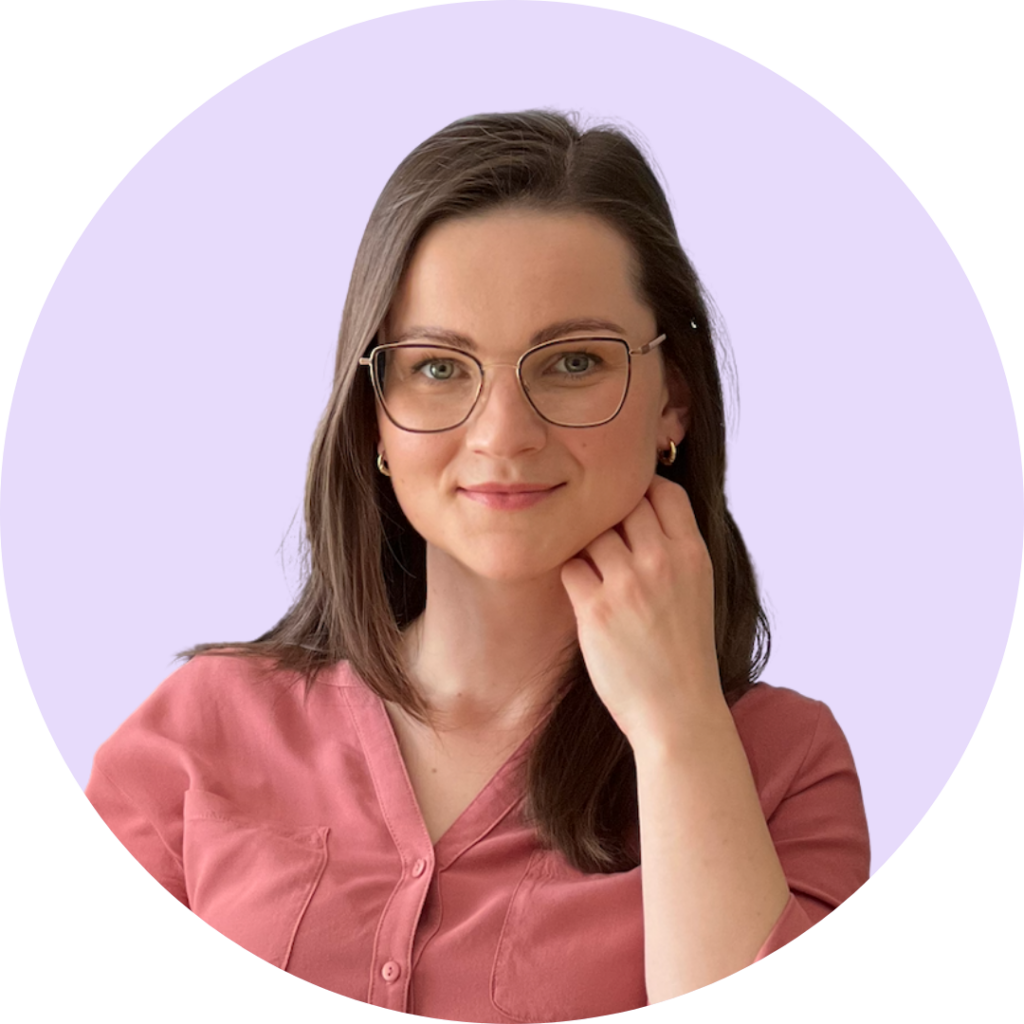
Marta Szafraniec-Szpak – Senior UX (User Experience) Designer
Hi! I’m Marta and I work as a Senior UX Designer at Unit4. By education I’m a sociologist, but for as long as I can remember I’ve been fascinated by how people use technology – hence the natural step toward UX.
I most enjoy designing solutions that are useful, intuitive, and thought through down to the smallest detail. Currently I design experiences related to artificial intelligence on a daily basis, which is why I’m especially fascinated by how AI can become a useful and natural partner for the user.
I love sharing knowledge and building the team – I’m convinced that we grow professionally by supporting each other and learning from one another. After work I unwind with long walks with my dog or by experimenting in the kitchen. I draw my inspiration from nature, art, and city life.
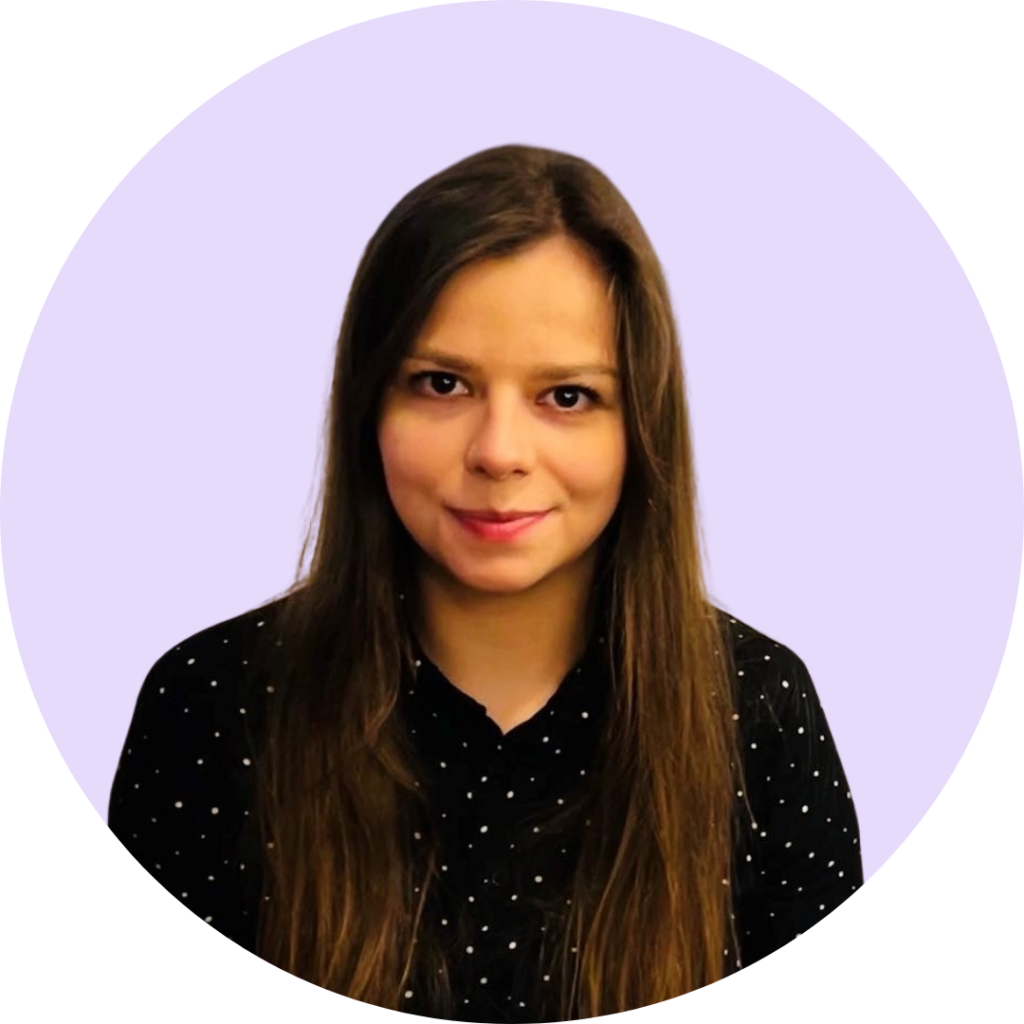
Monika Jaguś – Senior Quality Manager
Hi! I’m Monika and I work as a Senior Quality Manager. My story is quite interesting – besides testing, I’m also interested in medicine and law. After finishing high school I wanted to become a doctor and studied medicine for a while. In the end, though, I chose law. This year I earned my master’s degree in law. During the week I work, and I devote my weekends to studying.
My adventure with software testing began at the same time as my law studies – I started both in the same year. I took part in a testing course run by Sii and I really liked it. I decided I wanted to work as a tester. And I’ve now been working at Unit4 for six years!
In my job, I take care of the quality and reliability of our products through thorough testing and analysis. I work closely with the development team to detect and resolve issues. I make sure our solutions meet the highest standards and deliver exceptional value to our customers. I currently also serve as Quality Lead, working with the Quality team as well as closely with the testers in my squad.
In my free time I love to travel. My favorite trip so far was to South Korea, and in the future I dream of visiting Japan
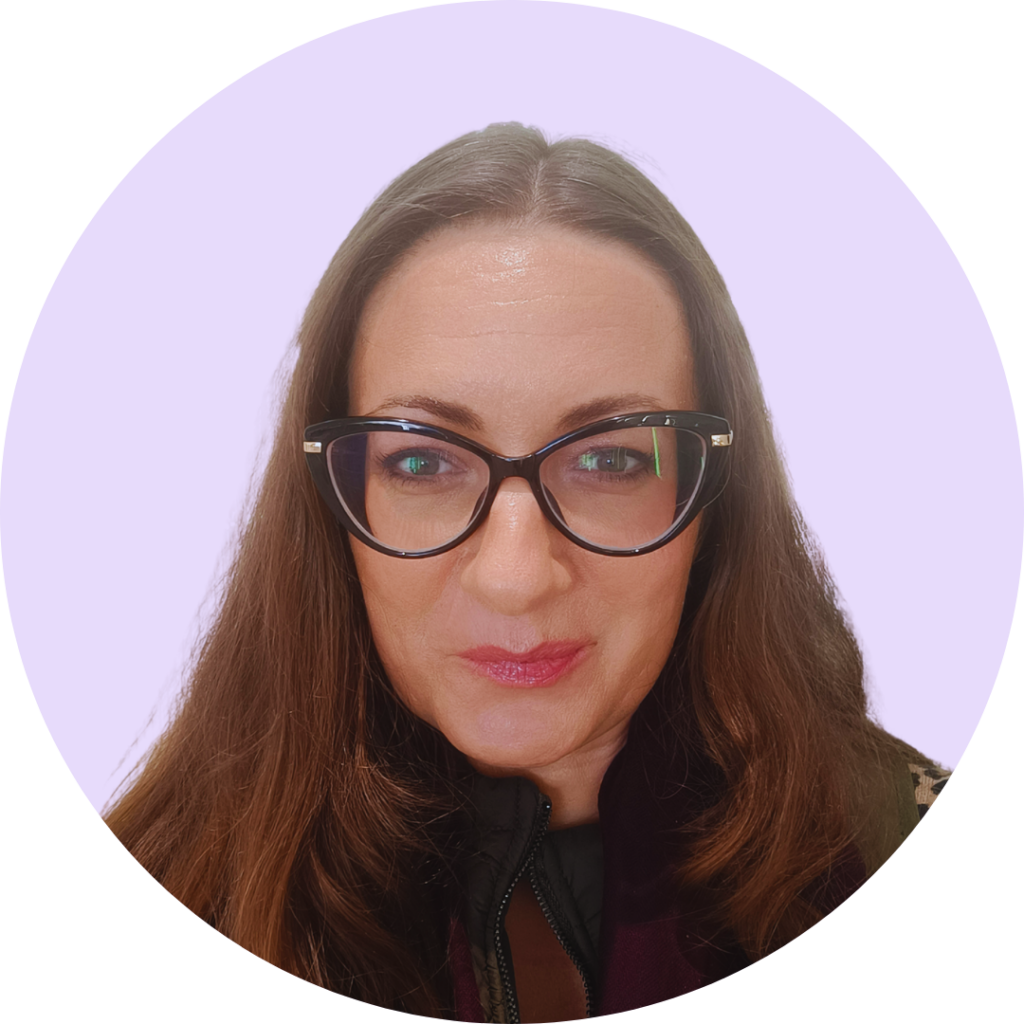
Paulina Rothermel – Senior Documentation Developer
Hi! I’m Paulina and I work as a Senior Documentation Specialist in the finance area at Unit4. Outside of work I’m a mom, a dog owner, and a cooking enthusiast. I joined Unit4 five years ago. Before that I worked as a technical translator, and even before that as a property manager. I studied communication and linguistics, but I’ve always been fascinated by technology and programming.
My role lets me combine all my previous experience and interests – I create documentation that our users rely on every day. Today, in an age when AI is being rolled out at every level of the organization, this role has taken on a completely new, strategic dimension, becoming a bridge between advanced technology and people.
Question: Could you walk us through what a typical day looks like for you at Unit4? We are curious about those daily routines that might give our readers a glimpse into your world.
Marta Szafraniec-Szpak: It’s hard for me to talk about a “typical” workday, because every day brings something different. I often start by checking the project goals and syncing with the product and development teams, to make sure we’re all heading in the same direction.
A large part of my day is spent collaborating with others – I take part in workshops, creative sessions, and feedback meetings. Depending on the stage of the project, I design user journeys, conduct user research, or work with the team to find the best solutions for specific problems.
Every day I try to find a balance between focus-intensive work and collaborating with people. The combination of creative design and teamwork is what makes me love my job so much.
I enjoy leading mentoring sessions and team meetings where we share. I make a conscious effort to set aside time each day both for focused project work and for building relationships within the team. Striking that balance gives me energy.
Monika Jaguś: My day usually starts with the team’s daily meeting, where we discuss the goals for the day and any potential challenges. It’s a great way to set priorities together and make sure everyone is up to date. I also take part in planning, retrospectives, and sprint reviews, where I discuss testing-related matters. I also keep an eye on the situation in the other teams within the squad, so that everyone feels supported by me and the work runs smoothly.
Then I dedicate time to testing the application and creating test procedures, documenting all the test cases needed to ensure the application meets both functional and non-functional requirements. During the testing process, I use a variety of techniques and tools to verify that everything works as expected and is free of defects. But honestly?
I love finding those bugs! My team knows I have a favorite GIF reserved for exactly that moment. As soon as it appears in our chat, the developers know they’ve got something to fix!
Paulina Rothermel: I usually start with the Daily Standup, to stay up to date on my colleagues’ progress and know what needs documentation. Then I take part in various meetings – some related to my team’s work, others focused on documentation practices. I also have one-on-one conversations with my manager or the Product Owner, with whom I work closely and whom I consider the main subject-matter expert.
Between meetings, I focus on the actual work – gathering information, learning about the features I need to describe, preparing drafts, consulting with colleagues, and finally publishing content for users. Nowadays a big part of my day is also spent working with AI tools. I don’t just write text – I design the structure of information with large language models in mind and optimize processes, which is exactly what makes the role of Documentation Developer so crucial for product success today.
Question: We’d love to hear about your journey to your current role. Was it a straightforward path, or did your career take some unexpected and interesting turns along the way?
Marta Szafraniec-Szpak: My path was quite straightforward. I knew early on that I wanted to work in a technology-related field, and while studying sociology I discovered UX – which felt like a perfect fit. It brought together my interest in people and psychology with my fascination for digital tools and systems. I was so inspired that I co-founded a UX club at my university to connect with others and learn more.
At first, I wanted to focus on UX research, but over time I realized that being a UX designer would give me more opportunities to shape the whole experience – from understanding user needs to creating solutions that meet them. This has helped me become a more versatile designer.
Paulina Rothermel: My career is definitely a story full of interesting twists! My first “real” job was in marketing, then for a few years I managed real estate. After earning my master’s degree in technical translation, I worked at various corporations as a translator and Business English trainer.
It was only during the pandemic that I realized true professional fulfillment comes from the opportunity for continuous growth in a stimulating environment. That’s why I decided to switch careers into IT, and I was extremely lucky to get a job offer at Unit4, where I found exactly what I was looking for.
Question: We all bring such different backgrounds to our work. What skills or experiences from your past have turned out to be surprisingly helpful in what you do now?
Marta Szafraniec-Szpak: Studying sociology taught me to observe, listen, and ask the right questions – incredibly valuable skills in UX research and design. I also studied Electronic Information Processing, which gave me a solid foundation for understanding how digital systems work – something that helps me a lot when communicating with developers.
Interestingly, the most important skill in my day-to-day work turned out to be my passion for simplifying complex issues. Organizing and clearly communicating information is the foundation of good UX design.
Monika Jaguś: I have always been attentive to detail and accuracy, traits that have proven invaluable in my current role as a tester, where I apply these skills daily.
Paulina Rothermel: Thanks to my earlier experience, I learned that there’s no progress without change, so I always accept and welcome it with openness. That flexibility is priceless now, as the AI revolution is reshaping the face of technology. I’m hugely grateful to Unit4 for how it approaches this transformation – we roll out artificial intelligence in a carefully considered way, focused on quality and ethics rather than just chasing trends. That gives us, as a team, a huge sense of security and room for thoughtful growth.
Question: What is a common misconception people have about your role? For instance, what do you often find yourself explaining when someone asks about your job at social gatherings?
Marta Szafraniec-Szpak: “What is UX?” This is the most common question I get at social events, especially from non-IT people, so I usually start with a brief definition of what I’m doing at work.
In IT, a lot of people assume that UX design is just about making things look nice, but it’s so much more than that. I usually explain that it’s about understanding people’s needs and making technology work for them, not the other way around. It’s part research, part problem solving, and part storytelling. And while design tools are involved, a lot of the work is about thinking, asking the right questions, and helping teams focus on what really matters to users.
Monika Jaguś: I had a situation where someone asked me where I work, and when I replied that I’m a tester, they asked if I work at a supermarket stand giving customers products to taste and test!
Paulina Rothermel: I usually say that I’m a translator from “developer-speak” – the language of programmers, which isn’t always understandable to ordinary mortals – into human language. Today, “AI language” has been added to that equation. As a Documentation Developer, I translate not only for people, but I also prepare content so that AI systems can use it effectively and give users precise answers.
Thank you all for participating and taking the time to answer our questions. We have great news for our readers: the insights from Paulina Rothermel (Senior Documentation Developer), Monika Jaguś (Senior Quality Manager), and Marta Szafraniec-Szpak (Senior UX Designer) are far from over! In next month’s article, we will dive deeper into their specific responsibilities. Through a focused set of questions, we aim to offer a clearer understanding of their contributions, the skills their roles demand, and the impact they have within the tech industry.
Stay tuned for the second part of this insightful series!